


Rideshare vs. Personal Vehicle Injury Claims: What’s the Difference?
In Los Angeles, the city of endless traffic and constant motion, a car accident is a jarring reality many of us face. For the average commuter, the process that follows a collision with a personal vehicle is familiar, if unpleasant. But what happens when the car that strikes you or the one you are riding in is an Uber or a Lyft? This isn’t a minor detail; it fundamentally changes the legal process.
As a personal injury law firm, we see this confusion daily. People are often intimidated by the idea of challenging a large corporation. That is a natural reaction. But with our legal team, that fear is something we use to our advantage. Our reputation for being strong and determined is well-earned, which makes insurance companies take a different approach when we get involved.
How Does Insurance Coverage Work in Rideshare Accident Cases?
The insurance is the most critical distinction between typical auto accidents and rideshare crashes. In a standard car accident, the at-fault driver’s auto insurance policy is the sole coverage provider. The claim is a negotiation with that one insurer, a process that can be difficult but is legally straightforward. The limits of that policy dictate the maximum amount of money available for your injuries and damages.
With a rideshare vehicle, the insurance landscape is a complex, tiered system created to protect both drivers and passengers. California law mandates this structure, and understanding it is the key to a successful claim.
The system operates in three distinct periods:
- The Uber or Lyft Driver is Offline. When a rideshare driver is not logged into the app, their vehicle is just a personal car. If an accident happens, their auto insurance is responsible, and the rideshare company has no legal liability. The claim proceeds just like any other personal vehicle accident
- The Driver is Logged In, Awaiting a Ride. This period is where things get complicated. The driver has the rideshare app open and is waiting for a request, but has not yet accepted one. At this point, the driver’s personal insurance will likely deny coverage because they were engaged in a commercial activity. To cover this gap, the rideshare company’s contingent liability insurance activates. This policy offers limited coverage and is a meager safety net. Insurers will fight hard to keep claims within these low limits
- The Driver is on an Active Trip. This is the most powerful position for a victim. From the moment the driver accepts a ride request until the passenger is safely dropped off, the rideshare company’s full commercial liability insurance policy takes effect. This policy provides a massive $1 million in coverage. This includes uninsured and underinsured motorist coverage, which is a life-changing benefit if the at-fault driver has little to no insurance
The difference in potential compensation is astronomical. A small personal policy often limits a personal vehicle claim. A rideshare claim, especially in periods 2 or 3, taps into a million-dollar corporate policy. But accessing that money is not easy; it means going toe-to-toe with a corporate legal team.
How to Prove Fault in an Uber or Lyft Accident?
In a typical personal vehicle accident, proving fault is about showing that the other driver was negligent. This might involve a simple failure to yield, distracted driving, or disregarding traffic laws. The evidence needed is a police report, witness accounts, and perhaps traffic camera footage.
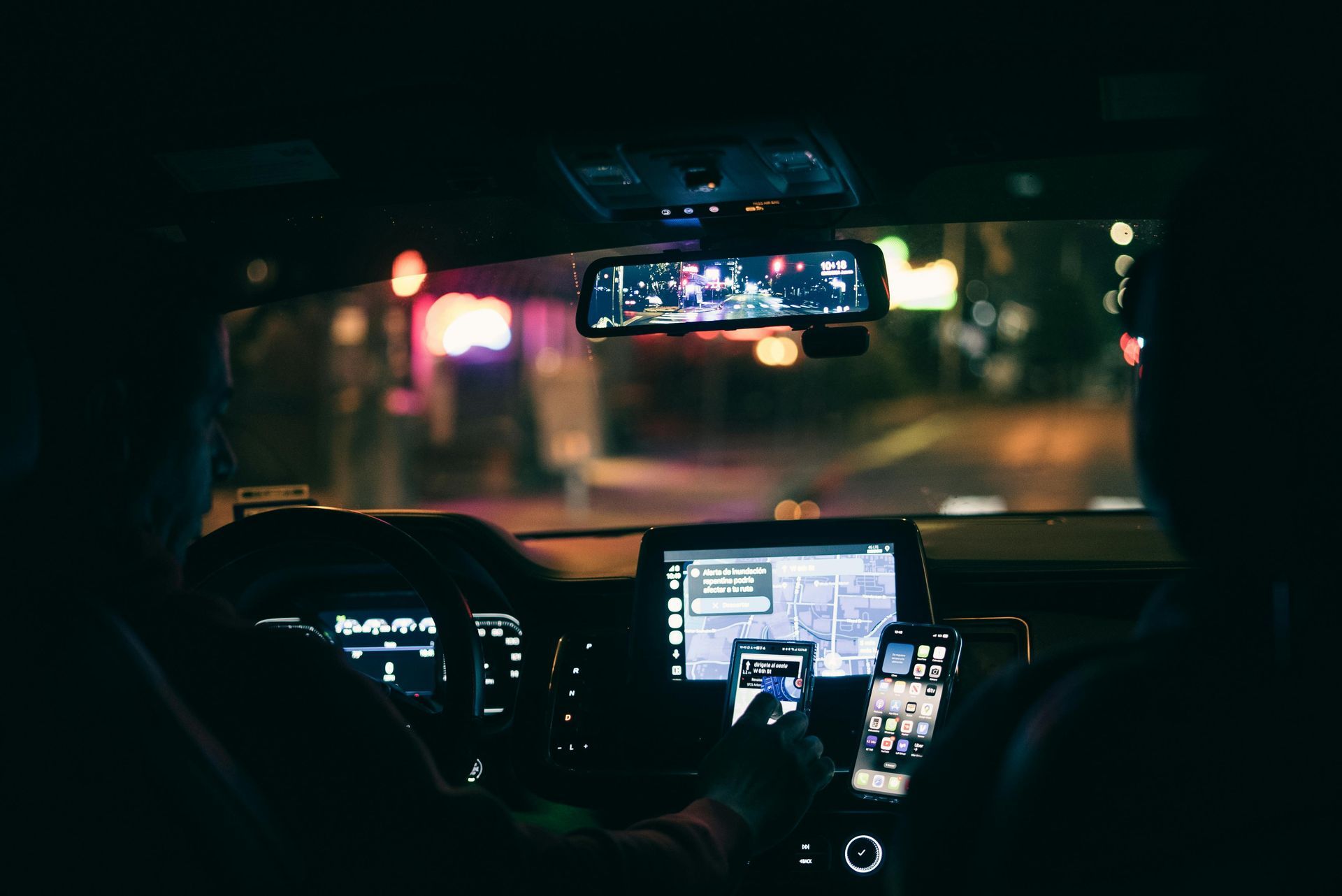
A rideshare accident broadens the scope of the investigation. The at-fault party could still be another driver on the road. But in many cases, it is the rideshare driver themselves who caused the crash due to negligence or inattention. This could be due to app distraction, fatigue from working long hours, or reckless driving. The investigation, therefore, must include a deep dive into the rideshare app data, the driver’s trip history, and their GPS logs.
The rideshare company can also be held liable in some very specific instances. While they classify their drivers as independent contractors, a claim could be made if the company used negligent hiring practices, such as failing to perform a proper background check. The legal teams for Uber and Lyft are built to fend off these types of claims, but they are not invincible.
A determined lawyer knows how to find the cracks in their defense. This is a battle of wills, and my team’s will is stronger.
Do You Need the Legal Services of a Rideshare Accident Attorney?
The goal in any injury claim is to secure financial recovery for medical bills, lost income, and the pain and suffering you have endured. In a personal vehicle accident, you negotiate with one insurance company, usually for a limited amount. The company’s goal is simple: to pay as little as possible.
In a rideshare accident, you often negotiate with multiple insurers, including a multi-billion-dollar corporation. They do not just want to pay as little as possible; they want to pay nothing if they can find a legal loophole. They will use their vast resources to dispute the facts, challenge your injuries, and delay the process. They will attempt to intimidate you into accepting a low-ball settlement before you have a chance to calculate the actual cost of your injuries. Their tactics are designed to wear you down. They are a formidable adversary, but so are we.
Our legal staff is well-versed in rideshare company strategies. We know how to use California’s specific rideshare laws to our advantage. We use a meticulous, aggressive approach to gather every piece of evidence, build an indisputable case, and present it in a way that forces them to the negotiation table. They know that they cannot afford to play games when we represent a client.
Contact Our Los Angeles Law Firm for a Case Review
Regardless of the type of accident, time is not on your side. California’s statute of limitations generally gives you two years from the crash date to file a personal injury lawsuit. Waiting even a few weeks can cause critical evidence to be lost forever.
Our advice to every client is direct and unambiguous:
- Seek Immediate Medical Care: Your health is paramount. Medical records are also the backbone of your injury claim. Do not delay
- Document the Scene: If you can, take photos of the accident scene, the vehicles, and your injuries. If it was a rideshare, get the driver’s information and a screenshot of the ride details from the app
- Refuse to Talk to Insurance Adjusters: Insurance companies are not there to help you. They will try to get a recorded statement from you to use against you later. Do not give one, and do not accept any settlement offer without first consulting with an attorney
- Hire a Lawyer Immediately: This is the most critical step. We will take over all communication, handle the investigation, and start building your case from day one
In Los Angeles, the difference between a rideshare accident claim and a personal vehicle accident claim is more than a legal technicality. It is the difference between fighting a single opponent and a corporate giant. They do not intimidate us; you do not have to be intimidated either. Our strong, determined team is ready to stand by your side. We will ensure your voice is heard and you receive the justice you are owed.
If you have been injured in an accident involving a rideshare or personal vehicle, do not wait. Your fight begins now. Call us today for a confidential case evaluation. Our reputation is a shield for our clients and a weapon against their opponents.
The post Rideshare vs. Personal Vehicle Injury Claims: What’s the Difference? appeared first on California Legal Counsel.