


What to Do After a Dog Bite in Los Angeles
What to Do After a Dog Bite in Los Angeles
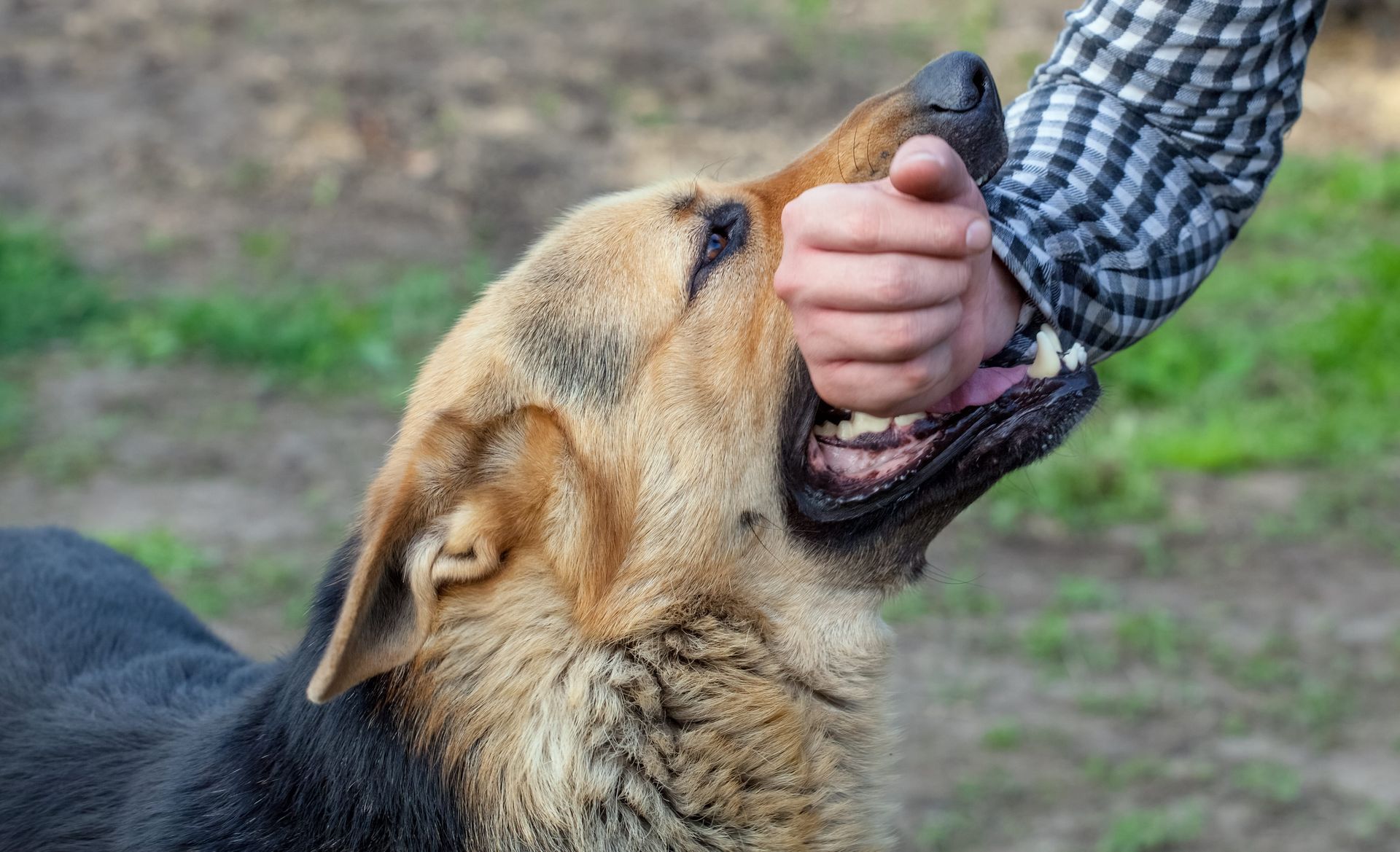
A dog bite can happen without warning. One moment you may be walking through your neighborhood, visiting a friend, working on someone’s property, or spending time at a Los Angeles park, and the next you may be dealing with a painful injury and questions about what to do next.
Dog bites can cause puncture wounds, torn skin, nerve damage, infections, scarring, and emotional trauma. More serious attacks may require surgery, rehabilitation, or ongoing medical treatment. Knowing what to do immediately after an attack can help protect your health and preserve important information if you later pursue compensation.
If you have been injured by a dog in Los Angeles, California Legal Counsel, APLC can help you understand your legal options. Our firm represents dog bite and animal attack victims in Los Angeles and throughout California and can handle the legal and insurance issues while you focus on your recovery.
1. Get to Safety After the Dog Attack
Your immediate priority should be getting away from the dog and preventing further injury. Move to a secure location if you can do so safely.
Avoid confronting the dog's owner or attempting to restrain an aggressive animal yourself. If the dog remains loose or poses a continuing threat, contact the appropriate authorities.
Once you are safe, assess your injuries. Even when a bite initially appears minor, the damage beneath the skin may be more significant than it looks.
2. Seek Medical Attention as Soon as Possible
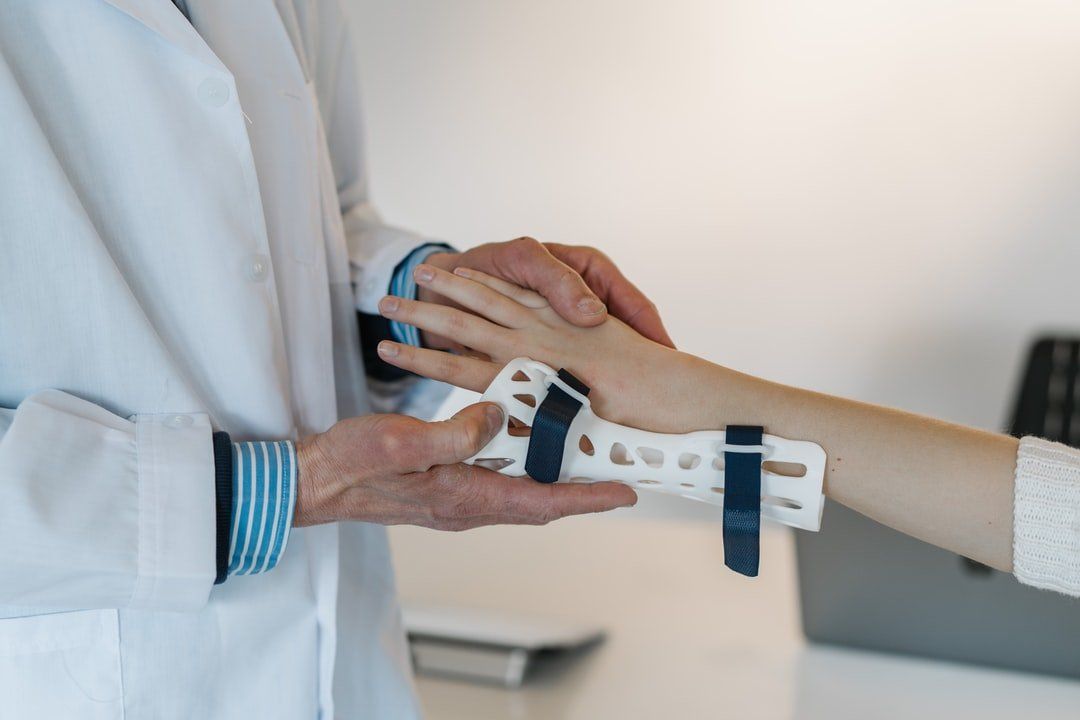
Prompt medical care is important after a dog bite. Animal bites can introduce bacteria into a wound and potentially lead to infection or other complications. Los Angeles County Department of Public Health guidance recommends seeking medical care after an animal bite.
Depending on the severity and location of the injury, treatment may include wound cleaning, stitches, medication, imaging, surgery, or follow-up care. A medical professional can also evaluate concerns involving infection, tetanus, rabies exposure, nerve damage, or damage to muscles and tendons.
Seeking treatment also creates medical documentation of your injuries. Those records may later become important when establishing the nature and extent of the harm caused by the attack.
Keep copies of medical bills, discharge instructions, prescriptions, referrals, and records relating to follow-up appointments.
3. Identify the Dog and Its Owner
If possible, obtain information about the dog and its owner before leaving the scene.
Useful information may include:
- The dog owner's name and contact information
- The address where the dog is normally kept
- The dog's breed, size, color, and other identifying characteristics
- Whether the dog has a current rabies vaccination
- Contact information for anyone who witnessed the attack
- Information about the property owner if the incident happened somewhere other than the dog owner's home
Do not put yourself in danger to obtain this information. If the dog is loose, aggressive, or the owner is confrontational, prioritize your safety and allow the proper authorities to address the situation.
Knowing the location of the biting animal can also be important for public health officials when assessing rabies risk.
4. Report the Dog Bite
Dog bites and other qualifying animal bites should be properly reported. Los Angeles County Veterinary Public Health provides a process for reporting animal bites and states that animal bites to people generally must be reported, subject to certain exceptions.
Reporting an incident creates an official record and allows authorities to address public health concerns associated with the animal.
Provide as much accurate information as you can, including where the attack occurred, when it happened, a description of the animal, information about its owner, and where the dog is currently located if known.
An official report may also become valuable evidence if questions later arise about how or where the attack occurred.
5. Photograph Your Injuries and the Scene
Evidence can disappear quickly after a dog attack. Take photographs or videos as soon as it is safe to do so.
Photograph your injuries before and after receiving treatment when possible. Continue documenting the healing process over the following days and weeks, particularly if you experience significant bruising, swelling, stitches, scarring, or other visible injuries.
You may also want to document:
- Torn or bloodied clothing
- The location where the attack happened
- Broken gates or damaged fencing
- Open entrances or areas where the dog escaped
- Warning signs on the property
- Relevant security cameras nearby
- Any other conditions that may help explain what occurred
Avoid altering photographs or deleting original files. Preserving the original images can help establish when they were taken.
California Legal Counsel, APLC can review the circumstances of an attack and determine what additional evidence may be important when preparing a dog bite claim.
6. Get Contact Information From Witnesses
Witnesses can provide important independent accounts of a dog attack.
If anyone saw the bite occur, obtain their name, telephone number, email address, or other contact information. Witnesses may be able to describe the dog's behavior, where the animal came from, whether it was restrained, and what happened immediately before and after the attack.
There may also be people who did not witness the actual bite but have relevant information about the dog or previous incidents.
Because memories can fade and witnesses can become difficult to locate, gathering this information early can be valuable.
7. Be Careful When Speaking With Insurance Companies
A dog bite claim may involve homeowners insurance, renters insurance, or another source of coverage. An insurance representative may contact you and ask questions about the attack, your injuries, or your medical treatment.
Be cautious about providing detailed statements or agreeing to a settlement before you understand the full extent of your injuries.
Some dog bite injuries take time to evaluate. Scarring may change as a wound heals, and nerve damage, reduced mobility, emotional distress, or the need for future treatment may not immediately be clear.
An early settlement may not fully account for those long-term consequences.
California Legal Counsel, APLC can communicate with insurers on your behalf, evaluate available coverage, document your losses, and pursue compensation appropriate to the circumstances of your case.
8. Keep Records of Your Expenses and Losses
A dog bite can create costs that extend well beyond an emergency room visit.
Keep organized records of expenses and other losses connected to the attack, including:
- Emergency medical treatment
- Hospital bills
- Doctor and specialist appointments
- Prescription medications
- Surgery
- Physical or occupational therapy
- Psychological counseling
- Transportation to medical appointments
- Lost income
- Time missed from work
- Future medical treatment
- Treatment for scarring or disfigurement
You can also keep notes about how the injury affects your daily activities. Difficulty sleeping, driving, exercising, caring for children, working, or completing ordinary household activities may help demonstrate how the attack has affected your life.
9. Understand California Dog Bite Liability
California law can provide significant protections to people injured by dogs. California follows a strict liability standard in many dog bite cases, meaning an owner may potentially be held responsible even when the dog had not previously bitten anyone or shown aggressive behavior.
That does not mean every case is automatic.
The circumstances surrounding the attack still matter. Issues such as where the bite happened, why the victim was on the property, who owned or controlled the dog, and whether other parties may share responsibility can affect a claim.
Some attacks may also raise questions involving landlords, property managers, renters, businesses, or other parties.
Rather than assuming you do or do not have a case, speak with California Legal Counsel, APLC about what happened. Our legal team can examine the circumstances and explain the options that may be available under California law.
10. Avoid Posting About the Dog Bite on Social Media
After an attack, you may naturally want to tell friends or family what happened. However, consider limiting what you post publicly while an injury claim is pending.
Photos, videos, comments, location information, and discussions about your recovery may potentially become relevant to an insurance dispute or lawsuit.
Even a post that seems unrelated to the attack could be interpreted in a way you did not intend.
When in doubt, discuss social media activity with your attorney while your case is ongoing.
11. Speak With a Los Angeles Dog Bite Attorney
Recovering from a serious dog bite can involve medical appointments, missed work, insurance paperwork, and uncertainty about what comes next. You do not have to navigate the legal process alone.
California Legal Counsel, APLC represents dog bite victims throughout Los Angeles and across California. Our firm can investigate the attack, gather relevant evidence, review medical documentation, identify potential insurance coverage, communicate with insurers, and pursue compensation for the losses caused by the incident.
Depending on the facts of a case, recoverable damages may relate to medical expenses, future treatment, lost wages, scarring, and emotional suffering.
Our goal is to manage the legal process while giving you clear guidance about your rights and options.
Injured by a Dog in Los Angeles? Contact California Legal Counsel, APLC
The steps you take after a dog bite can have lasting consequences for both your health and a potential injury claim. Seek appropriate medical attention, report the incident, document what happened, preserve your records, and consider obtaining legal guidance before dealing extensively with an insurance company.
If you or a loved one has suffered a dog bite or animal attack in Los Angeles, California Legal Counsel, APLC is ready to discuss your situation. Our firm represents injured individuals and families in Los Angeles and throughout California and can help you understand the legal options available to you.
Call California Legal Counsel, APLC at 855-503-5303 to schedule a consultation with a Los Angeles dog bite attorney today.